
1 May God be merciful to us and bless us,*
show us the light of his countenance and come to us.
2 Let your ways be known upon earth,*
your saving health among all nations.
3 Let the peoples praise you, O God;*
let all the peoples praise you.
4 Let the nations be glad and sing for joy,*
for you judge the peoples with equity
and guide all the nations upon earth.
5 Let the peoples praise you, O God;*
let all the peoples praise you.
6 The earth has brought forth her increase;*
may God, our own God, give us his blessing.
7 May God give us his blessing,*
and may all the ends of the earth stand in awe of him. Ps. 67.
We find Psalm 67 in the Daily Office for this morning. The idea of a blessing provides the principle theme for this psalm, one of the great songs of the people of God. In the opening verse, the psalmist prays for the blessing of the light of God’s presence.
We see the movement of asking for a blessing in the idea of God revealing Himself (“show us the light of your countenance”) and asking the Lord to make Himself known. The psalmist, however, seeks not only that God’s gifts be apparent to the people of Israel, but also throughout the world. He prays “let all the peoples praise you” to “all the ends of the earth”. We hear the echo of the book of Genesis, in which God told Abram, “‘I will make of you a great nation, and I will bless you, and make your name great, so that you will be a blessing. I will bless those who bless you, and the one who curses you I will curse; and in you all the families of the earth shall be blessed.’” Gen 12:2-3.
While the psalm celebrates the prior gifts of God (a good harvest), it calls for God’s blessings throughout the world. It strikes me that the psalmist really prays for an awareness of God’s presence throughout all creation. The psalm asks for the light of God’s presence. I’m struck by the idea that we never actually see “light”; rather we see all things because of the light. The light which flows from God’s presence, therefore, enables us to see the grace of our blessings. To paraphrase C.S. Lewis, I believe in God’s grace “as I believe that the sun has risen: not only because I see it, but because by it I see everything else.”
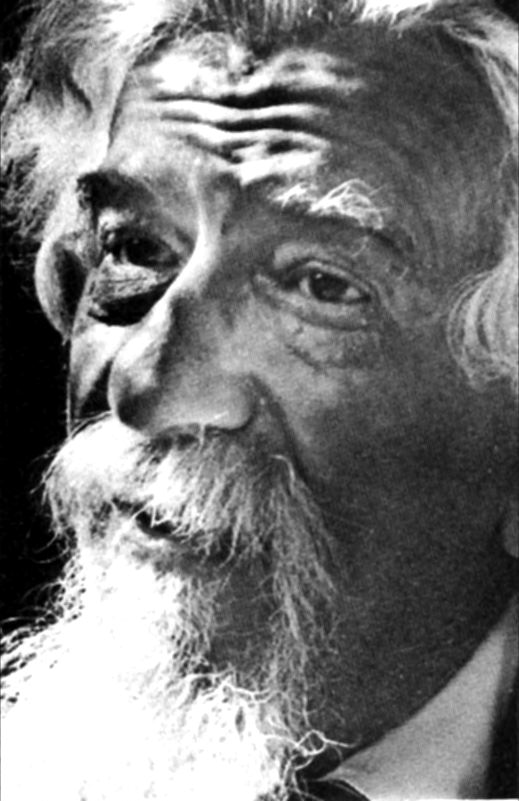 When we do become aware of God’s presence in and movement through the world, the psalmist describes our appropriate response: “may all the ends of the earth stand in awe of him.” I believe we have been conditioned to avoid experiencing awe. If you’ve been reading this blog for a while, you know that I’m a big fan of Rabbi Abraham Joshua Heschel. He said, “The opposite of good is not evil; the opposite of good is indifference.” Many of us have become indifferent to God’s presence in and blessings of this world.
We are like guests at a banquet, who have stuffed ourselves and gorged upon the feast for so long that we’ve forgotten how to savor the food. God’s presence surrounds us; only through it do we “live and move and have our being.” Acts 17:28. As Rabbi Heschel noted, “The thought of it is too powerful to be ignored and too holy to be absorbed by us.” So today, my prayer for you is that, full of the certainty of God’s presence, that you be blessed today, and that you be a blessing.
Pax Christi,
James R. Dennis, O.P.
© 2012 James R. Dennis